Biohazard Cleanup
Safe, careful removal of bodily fluids and other infectious material, finished with hospital-grade disinfection.
Learn more →Utah · Salt Lake County
Has a crime, an accident or an unattended death left a mess in Holladay? Police and paramedics do not clean up afterward, so you need cleaners to remove blood, bodily fluids and contaminated materials. Call (877) 812-4220.
If anyone is in danger, call 911 first. For a suicide crisis, call or text 988.
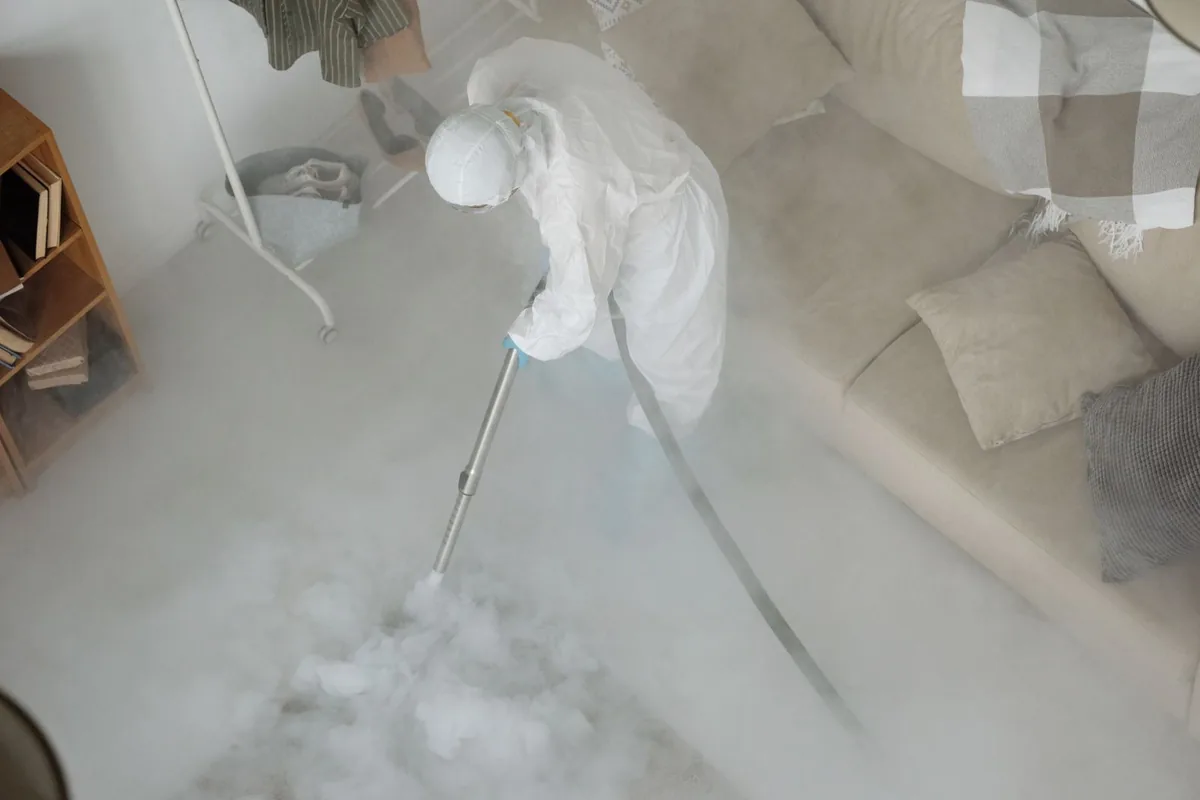
In plain terms, biohazard cleanup is decontamination after something harmful to health has been left behind. If you need cleanup in Holladay, UT after a death, violent event, accident, spill or unsafe living conditions, call Holladay Biohazard Cleanup Help and get a biohazard cleanup team ready for the job.
Property owners, family members, landlords, property managers and insurance adjusters can all get help from Holladay Biohazard Cleanup Help. The cleanup is documented with photos and notes, and coverage reaches Holladay, Salt Lake City and nearby towns across Salt Lake County.
Older adults make up about 19% of residents in Holladay, above the Utah average, so families here more often face estate cleanouts and death cleanup after a loved one passes. Homes in Holladay have a median build year of 1969, older than most homes across Utah. Older carpet, wood subfloors and trim take in fluids deeply, so more material may need removal.
Why the strict steps? Because dried blood, tissue and decomposition fluids can still carry disease. Cleanup technicians in Holladay follow the OSHA bloodborne pathogen standard, 29 CFR 1910.1030, and treat every stain as a hazard until it has been properly disinfected.
Cleaning removes soil, and disinfecting kills germs, so both steps happen. Crews use EPA-registered disinfectants and let them stay wet for the full contact time, then use air scrubbers to pull particles and odor out of the air.
Looking for something specific? Each card below is a separate biohazard cleanup service for Holladay, with its own page on process, safety and what to expect.
Safe, careful removal of bodily fluids and other infectious material, finished with hospital-grade disinfection.
Learn more →Blood, bodily fluids and residue removed and disinfected after law enforcement releases the scene.
Learn more →Contaminated carpet, drywall and debris removed, with every affected surface disinfected and inspected.
Learn more →Removal of soaked materials, safe waste hauling and deodorizing after a delayed discovery.
Learn more →Gentle, discreet cleaning and disinfection of a home or rental after a death by suicide.
Learn more →Respectful homicide cleaning that removes blood, bodily fluids and odor after investigators release the scene.
Learn more →Blood clean up service with protective gear, EPA-registered disinfectants and sealed disposal of contaminated waste.
Learn more →Bodily fluid clean up with protective gear, EPA-registered disinfectants and sealed disposal of contaminated materials.
Learn more →Urine and feces cleanup that removes soaked carpet, mattresses and furniture and sanitizes the affected area.
Learn more →Odor control for landlords, buyers and families whose property still smells after a loss.
Learn more →Respectful hoarder cleaning that clears exits, sorts belongings with you and cleans every room.
Learn more →Hoarding junk removal that protects valuables and papers before anything leaves the home.
Learn more →Animal hoarding cleanup with protective gear, soaked flooring removal and thorough sanitizing.
Learn more →Squalor cleanup that removes filth, waste and spoiled food, then scrubs and disinfects every room.
Learn more →Raw sewage removal, tear-out of soaked materials and full disinfection after a backup or overflow.
Learn more →Biohazard decontamination after outbreaks, with protective gear, set order of work and sealed disposal of waste.
Learn more →Cleaning first, disinfecting second: a careful process that targets the germs, not only the stain.
Learn more →Medical waste left behind after illness, a move or a cleanup, removed with protective gear.
Learn more →Found a needle? A cleanup team searches the area, removes every sharp and disinfects what it touched.
Learn more →Clearing a room or unit after drug use, with sealed containers and proper disposal.
Learn more →Drug lab decontamination with sampling before and after, once law enforcement releases the site.
Learn more →Decontamination for rentals, motels, offices and vehicles after drug incidents and responder visits.
Learn more →Safe removal of solvents, fuels, pesticides, mercury and unlabeled containers from homes and businesses.
Learn more →Hazardous materials contained, removed and hauled away after spills, leaks and accidents.
Learn more →Pepper spray cleanup that lifts oily residue from surfaces without spreading it to clean rooms.
Learn more →Safe wet-clean removal of mouse and rat droppings, nests and soiled insulation from attics and crawl spaces.
Learn more →Pigeon and bird droppings cleanup on ledges, balconies, warehouses and storefronts.
Learn more →Dead animal odor removal that targets the source of the smell, not just the air.
Learn more →Biohazard car cleaning for blood, vomit and body fluids, with disinfection and safe waste disposal.
Learn more →Injury scene cleaners remove soaked materials, treat odor and prepare records for employers and insurers.
Learn more →Workplace biohazard cleanup that contains the area, removes contamination and documents the work for insurers.
Learn more →Careful clearing of a home after a death, with biohazard cleanup first when it is needed.
Learn more →A technician looks for every source of contamination, including areas the eye misses, such as under flooring and inside vents. The type of biohazard sets the method.
Plastic sheeting, floor protection and air filtration go up before anything is moved. Protective gear goes on before the crew goes in.
Contaminated materials come out, surfaces are cleaned and disinfected, and the waste is packed for lawful disposal.
Odor equipment finishes the air, the crew checks the whole area, and the owner is told what was done and what repairs may still be needed.
Calls are answered day and night. Crews arrive in unmarked vehicles and work quietly, so neighbors are not told what happened.
A final inspection, with odor and surface checks where they help, confirms the area is safe before the cleanup is called complete.
One biohazard cleanup company covers removal, disinfection, odor removal and damaged materials, so the family can step back.
At crime and death scenes, work waits for law enforcement or the investigator to release the property. Nothing is disturbed before that.
Biohazard cleanup in Holladay, UT typically costs $500 to $25,000, depending on the type of biohazard, the size of the affected area and how far fluids soaked into porous materials.
Most residential jobs cost $3,000 to $5,000 (Fixr). Ask what is included before agreeing to anything: removal, disinfection, odor control, waste disposal and paperwork. A clear scope helps the family, the landlord and the insurance company agree on the cost.
| Type of job | Typical range |
|---|---|
| Blood spill cleanup, small area | $500 - $2,500 |
| Crime scene cleanup, most homes | $1,500 - $7,500 |
| Unattended death cleanup | $2,000 - $7,000 |
| Suicide cleanup | $1,500 - $5,500 |
| Sewage cleanup, most homes | $2,000 - $10,000 |
| Hoarding cleanup, level 3 home | $2,000 - $5,000 |
| Meth lab cleanup, typical | $15,000 - $20,000 |
Estimates only, not a quote. Sources: Fixr, Yelp Costs, BioCleaners Directory, PushLeads, Dropcurb, Bob Vila and cleanup company cost guides. Call (877) 812-4220 to talk through the job.
Falls, power tool injuries, farm and industrial accidents and car crashes can leave blood and tissue behind. Accident scene cleanup removes the trace so the space can be used again.
About 69% of homes in Holladay were built before 1980, and older carpet, subfloor and trim hold fluids deeper, which can mean more material to remove.
An average July high of 91 degrees in Holladay speeds up decomposition after a death. The sooner the scene is released and cleaned, the less the odor and fluids spread.
When a death goes unnoticed for days, decomposition fluids reach flooring and subfloor and the odor spreads. Death cleanup removes the affected materials and treats the odor at the source.
With a vacancy rate of 5% in Salt Lake County, empty buildings can collect animal waste, drug paraphernalia and storm damage that nobody sees until later.
Failing septic systems and sewer backups push raw sewage, a Category 3 biohazard, into homes. Sewage cleanup removes contaminated materials and disinfects every surface.
Not every biohazard looks the same or carries the same risk. A cleanup team sorts the problem by type and by size, and that sorting decides the protective gear, the method and the budget.
Respirators, gloves, face protection, boot covers and disposable suits make up the usual personal protective equipment (PPE). It is put on before entering the work area and disposed of as contaminated waste afterwards.
Yes. Raw sewage is treated as Category 3 water because it can carry bacteria such as E. coli, viruses and parasites. Porous materials it touches usually must be removed, and the rest is cleaned and disinfected.
Most biohazard clean up jobs take one to three days. A small blood spill can be finished in a few hours, while an unattended death with decomposition, a hoarder house or a meth lab can take a week or longer.
A few drops from a small cut can sometimes be cleaned up by a careful person wearing gloves, with disinfectant on hard surfaces. Larger amounts, anything on porous materials, or fluids from another person are best left to a cleanup crew.
Yes. Dried blood can still carry bloodborne pathogens. The CDC notes hepatitis B can survive on surfaces for at least seven days, and scraping dried blood releases particles. It should be handled with PPE and disinfected.
Biohazard cleanup is the removal, cleaning and disinfection of anything that can spread disease: blood, bodily fluids, tissue, decomposition, human and animal waste, raw sewage, sharps and drug residue. It covers crime scene cleanup, unattended death cleanup, trauma scene cleanup, suicide cleanup, hoarding cleanup and infectious disease disinfection.
It can. Salt Lake County has a Relatively Moderate river flood risk rating from FEMA. Wherever floodwater or a sewer backup enters a home, the water is treated as Category 3 and needs full cleaning and disinfection.
The nearest emergency room is St Mark's Hospital in Salt Lake City, about 2 miles from Holladay. In any emergency, call 911 first. Cleanup waits until people are safe.
The service area reaches from Holladay to Salt Lake City, Millcreek and Cottonwood Heights. Whichever town the property is in, the process and the protective standards stay the same.
Crews work in unmarked vehicles, so the job stays private.
Call (877) 812-4220